
Dyslexia in the News
Congressional Dyslexia Roundtable
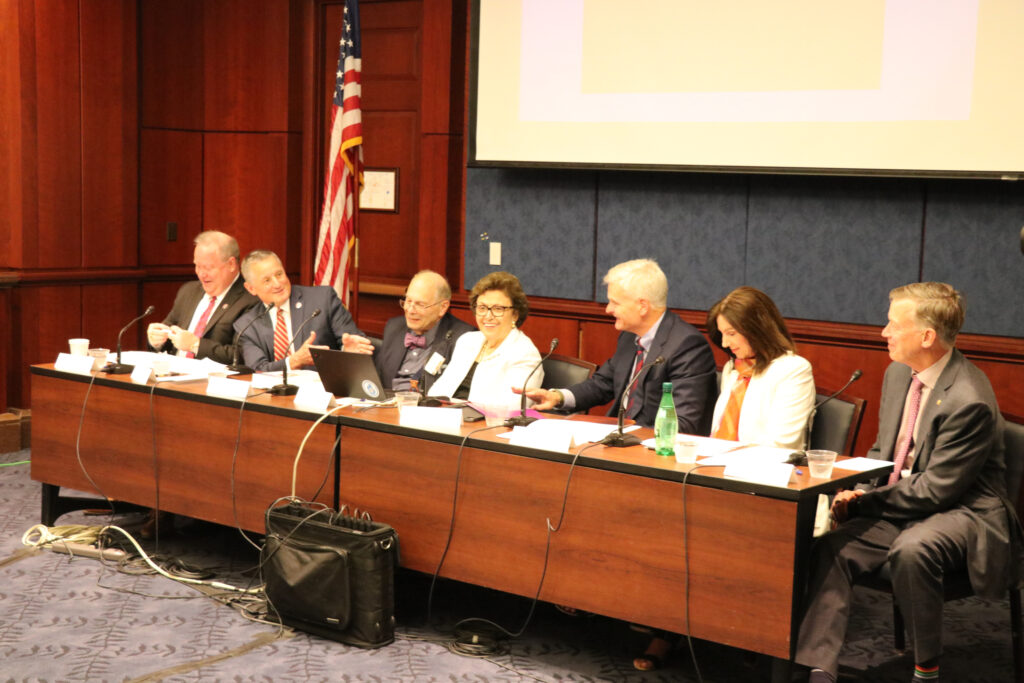
Excited, we have unusually positive news to share about science, dyslexia and legislation. Far too often there is …
Read MoreUpdate on the Connecticut Longitudinal Study (CLS)
Much of this new scientific understanding of dyslexia has emerged from a longitudinal study, the Connecticut Longitudinal Study …
Read MoreCoursera: Exciting New Online Dyslexia Course
A very exciting announcement that positively impacts children with dyslexia, their parents and their teachers is the Dyslexia …
Read MoreWho will be the first civilian in space? A dyslexic of course—Sir Richard Branson.
Who will be the first civilian in space? A dyslexic of course—Sir Richard Branson. On Sunday, Sir Richard …
Read MoreYCDC Co-Director Dr. Sally Shaywitz was recently featured on the “Learn Smarter” podcast
YCDC Co-Director Dr. Sally Shaywitz was recently featured on the “learn Smarter” podcast. In these informative and engaging …
Read MoreFrom the Boston Globe: “How to Support your Dyslexic Child”
A recent story in the Boston Globe by journalist Kara Baskin featured an interview with YCDC Co-Director Dr. …
Read MoreYCDC Co-Director Dr. Sally Shaywitz Featured in Powerful New Articles
New pieces in Parents Magazine and the Springfield (IL) State Journal-Register feature interviews with YCDC Co-Director Dr. Sally …
Read MoreYCDC Co-Director Dr. Sally Shaywitz Named AAAS Fellow
The American Association for the Advancement of Science (AAAS) has named two Yale School of Medicine researchers as …
Read MoreYCDC Co-Director Dr. Sally Shaywitz Featured on “Tech Tonics” podcast
YCDC Co-Director Dr. Sally Shaywitz is featured on a new installment of the “Tech Tonics” podcast. In this …
Read MoreNavarrette: Test early to detect dyslexia; our children deserve nothing less
NEW: Syndicated Washington Post columnist Ruben Navarrette of the Washington Post Writers Group profiles YCDC Co-Director Dr. Sally …
Read MoreJoin us for Dyslexia DecodEd, a 3-part series on supporting students with dyslexia in school and life
Learning about dyslexia provides an opportunity for educators to empower all learners to discover their strengths and positively …
Read MoreA New “Fireside Chat” with Dr. Sally Shaywitz
Watch a powerful new video featuring YCDC Co-Director Dr. Sally Shaywitz as she delves into her award-winning book …
Read More